


Why Now
Pole networks are entering their most expensive years.
Fleets are aging, demand for space on the pole is rising, and capital and crews are stretched. These pressures are converging now.
Driver 1 of 5
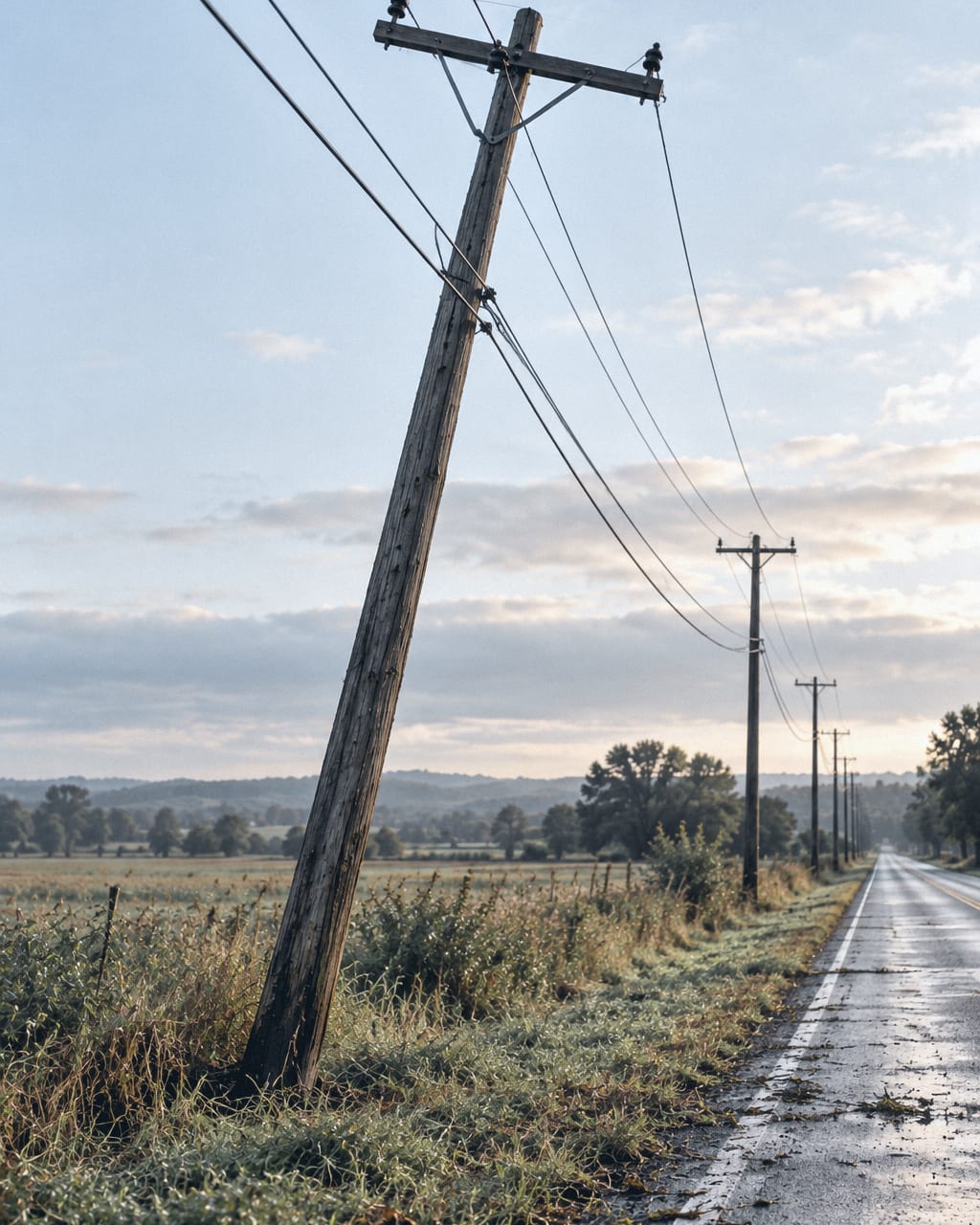
Fleets are aging into the decade that matters most.
Many pole networks were built decades ago, and deterioration has been accumulating ever since, often at the groundline, where it can’t be seen. The earlier decay is found, the more options remain: treatment and restoration instead of replacement, and planned work instead of emergency response.
Driver 2 of 5
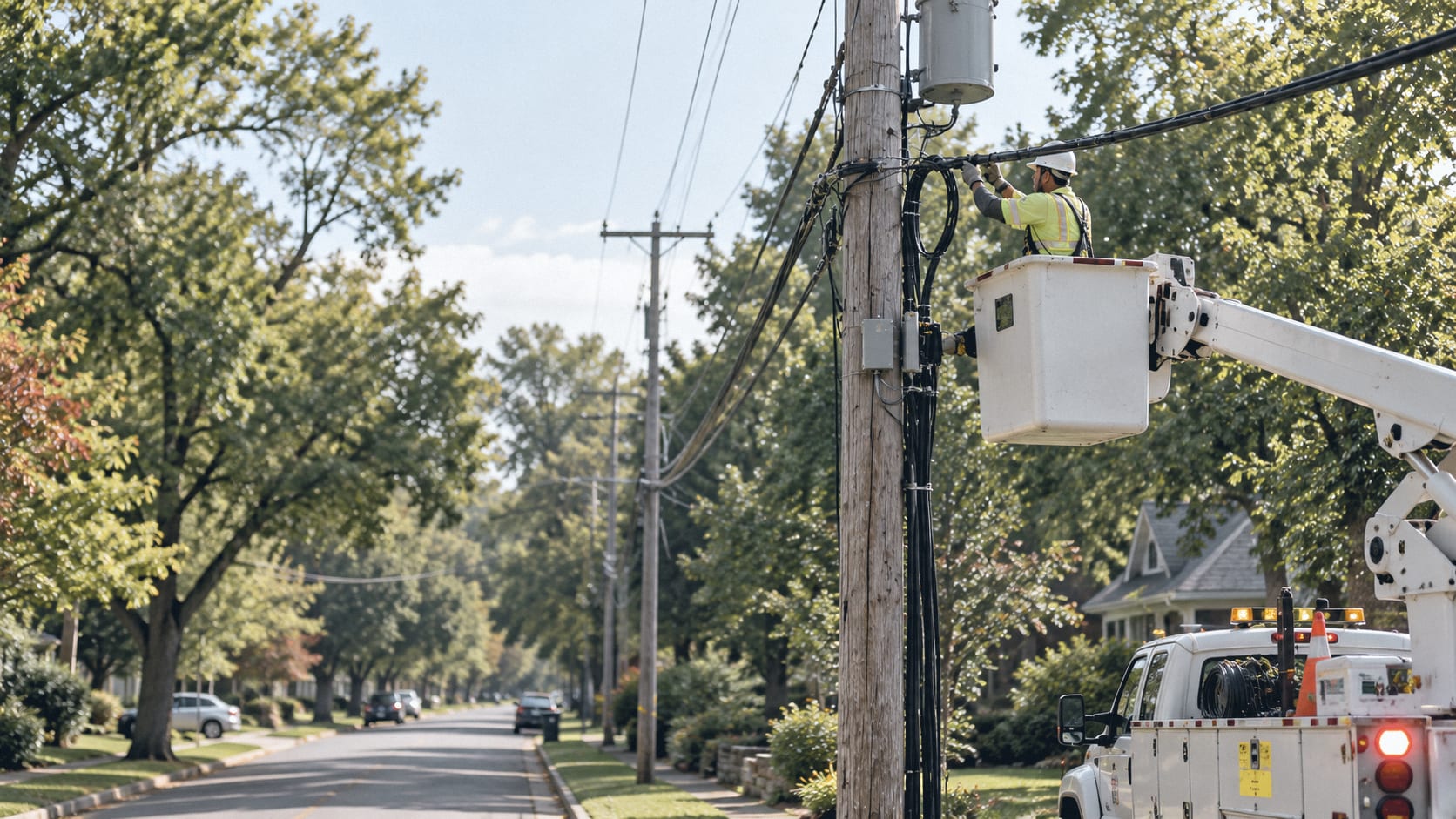
Demand for space on the pole is rising.
Fiber, cable, small cells, cameras, lighting, sensors, and other network equipment all need room on existing poles. Every new attachment requires engineering, available capacity, and coordination among the companies on the pole, and the review often reveals deficiencies that were already there.
Driver 3 of 5
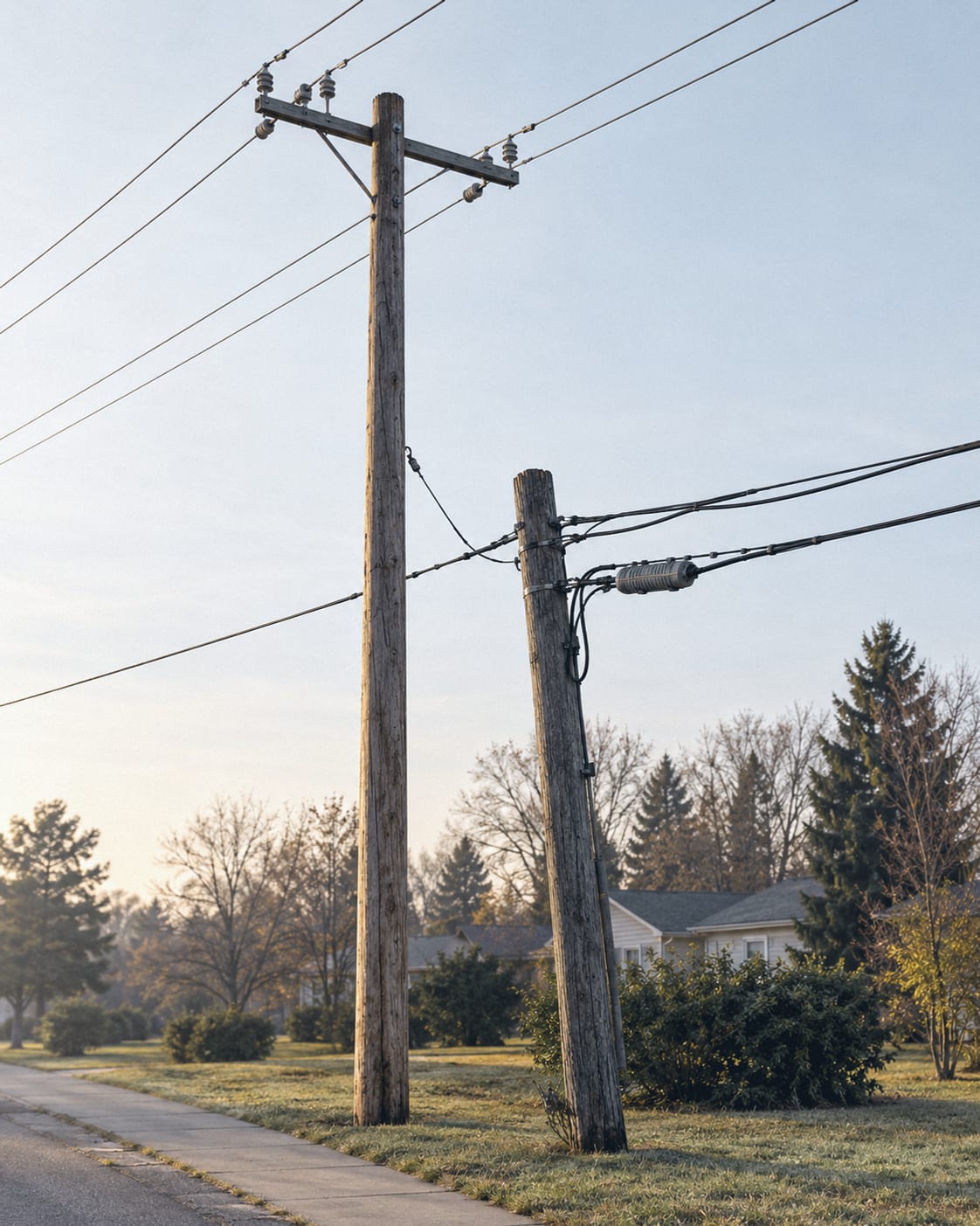
When attachers arrive, deferred maintenance comes due.
A request to attach to a pole that is already out of standard can trigger its replacement, and the owner may bear the cost of correcting the preexisting deficiency, on the attacher’s timeline.1
Driver 4 of 5
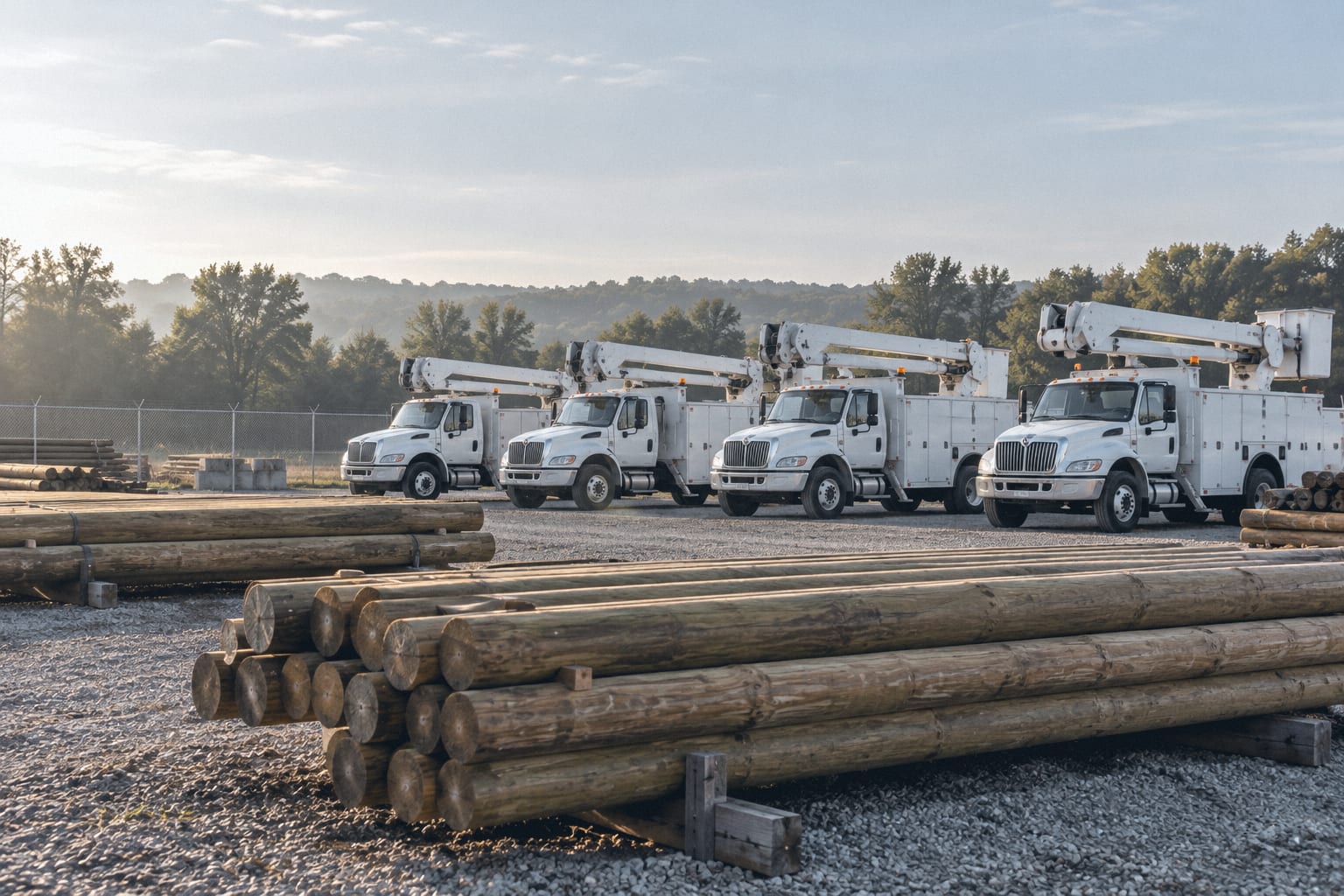
Capital and crews are stretched.
Utilities face rising demands across generation, transmission, grid hardening, and load growth. Pole programs compete with all of it for capital, for qualified crews, and for management attention.
Driver 5 of 5
Increasing pressure on rates and capital.
Utilities and telecom providers face increasing competition, greater pressure from regulators and customers over rising rates, and tighter capital constraints.
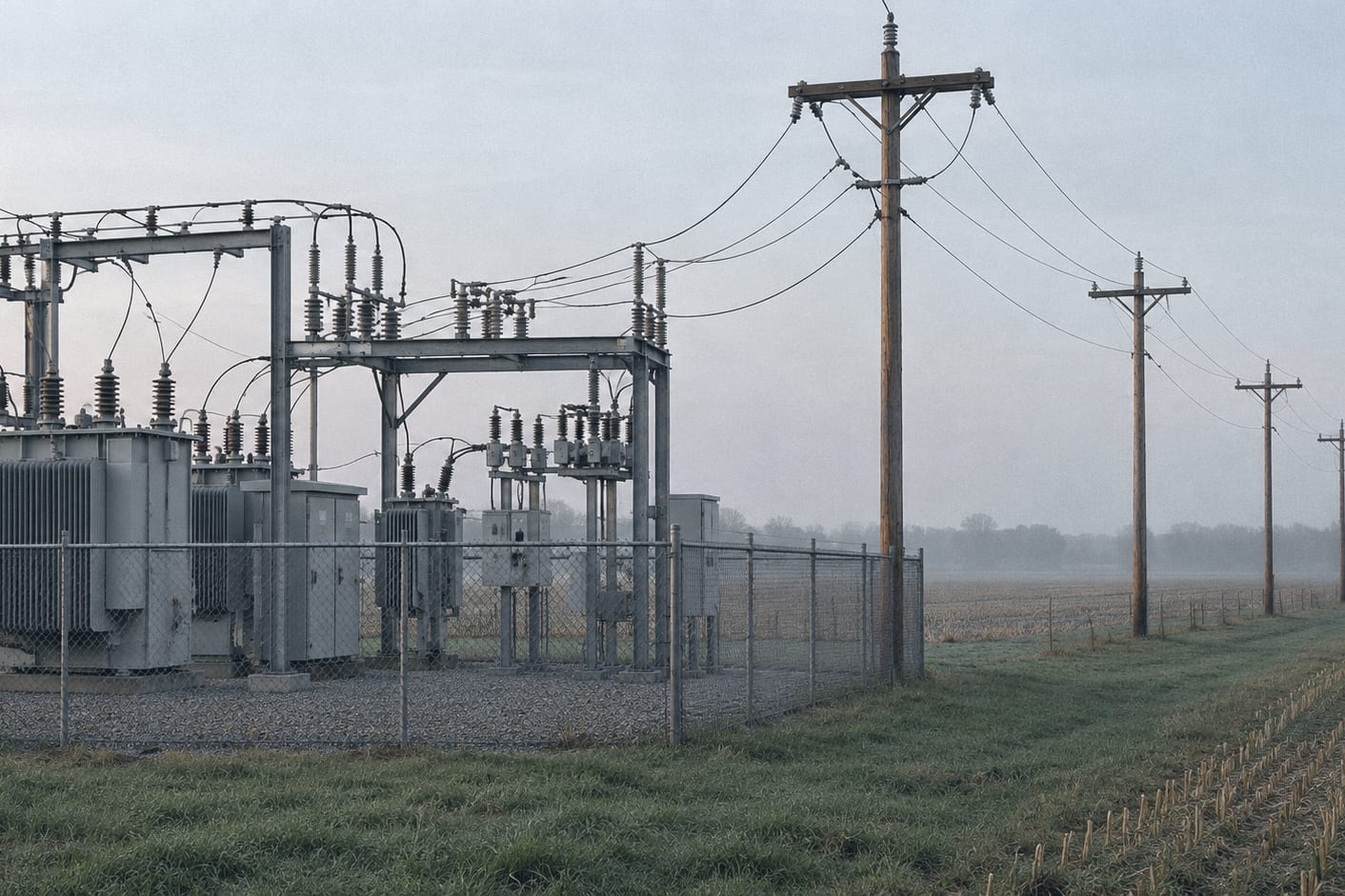


Essential infrastructure needs dedicated attention.
PoleCo brings dedicated capital, specialized expertise, and long-term management to pole networks, so the work they need is planned, funded, and done.
Sources
- 1.Federal Communications Commission, Accelerating Wireline Broadband Deployment by Removing Barriers to Infrastructure Investment, Fourth Report and Order, Declaratory Ruling, and Third Further Notice of Proposed Rulemaking, FCC 23-109, WC Docket No. 17-84 (adopted December 13, 2023; released December 15, 2023). docs.fcc.gov/public/attachments/FCC-23-109A1.pdf